Heritage at Risk: The Maasai and the Struggle for Cultural Survival in East Africa
Jedida Mupako
IIHS Regional Contributor
Arusha, Tanzania
Executive Summary
This report explores the intersection of Indigenous rights, cultural heritage, human security, and sustainable development, with a focus on the Maasai people of East Africa. It highlights global mechanisms such as UNESCO conventions and evaluates how Indigenous heritage supports the Sustainable Development Goals (SDGs), particularly Goals 1 (No Poverty), 13 (Climate Action), and 15 (Life on Land). Through a detailed case study, the report examines the challenges faced by the Maasai in preserving their cultural identity amidst environmental, economic, and political pressures.
Introduction
Indigenous heritage constitutes a vital part of humanity’s cultural diversity. The protection and promotion of Indigenous rights and traditional knowledge systems are not only matters of justice but are integral to achieving human security and sustainable development. However, many Indigenous cultures are increasingly at risk due to globalisation, land dispossession, and environmental degradation.
Case Study: The Maasai of East Africa
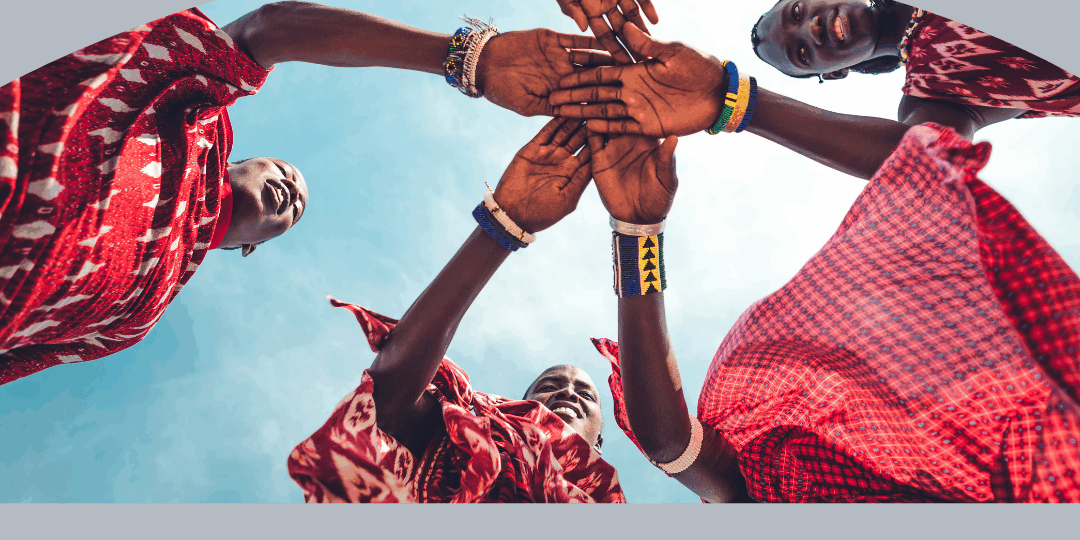
The Maasai are one of the most recognised Indigenous groups in East Africa, residing mainly in southern Kenya and northern Tanzania. Their culture, characterised by semi-nomadic pastoralism, traditional dress, oral traditions, and deep ecological knowledge, has endured for centuries. However, land pressure, climate change, forced evictions, and tourism development have led to socio-economic marginalisation and threats to their cultural survival.
The preservation of Indigenous rights and cultural heritage among the Maasai is essential for human security and sustainable development. Their cultural identity, land tenure, and traditional knowledge are crucial for resilience to environmental and economic challenges. Human security for the Maasai involves protection from displacement and economic exclusion, while their ecological practices support biodiversity conservation and climate resilience, key components of sustainable development.
Recent conservation programs, such as those in the Ngorongoro Conservation Area (Tanzania),[1] have resulted in displacement, despite the Maasai’s longstanding role in preserving biodiversity. This illustrates the tension between heritage conservation and state-led environmental policy. In response, Maasai communities have taken proactive steps for cultural restoration and economic independence.[2]
Global Mechanisms for Protection
UNESCO has supported the Maasai through both direct initiatives and broader frameworks:
Intangible Cultural Heritage Recognition While Maasai culture has not yet been inscribed on the UNESCO Representative List of the Intangible Cultural Heritage of Humanity, it has been a subject of regional projects aimed at inventorying and documenting traditional practices in East Africa.
Capacity-Building Workshops: UNESCO has funded and co-organised training sessions in Kenya and Tanzania to build local capacity for safeguarding oral traditions, rituals, and traditional knowledge among Indigenous groups like the Maasai.
Community-Based Inventorying: Through support to the East African Community, UNESCO has promoted participatory mapping and documentation of intangible cultural heritage across Maasai communities.[3]
Support via the 2003 Convention:[4] Kenya and Tanzania are both state parties. This has enabled them to access UNESCO’s International Assistance Mechanism to support community-led safeguarding projects.
The Maasai are not passive victims—they are already active agents in cultural preservation and rights advocacy. Their continued empowerment is essential.
Community-Led Advocacy: Engage in legal and civic activism through organisations like the Maasai Indigenous Development Organisation (MIDO)[5] and the Pastoralist Development Network of Kenya (PDNK).[6]
Heritage Documentation: Use mobile technology, oral history, and participatory mapping to document traditions, clan histories, and sacred sites.
Engagement with Global Forums: Take part in UN Permanent Forum on Indigenous Issues,[7] UNESCO Intangible Heritage sessions, and environmental summits to amplify their voices.
Recommendations
Cultural heritage programs must go beyond documentation and actively integrate traditional knowledge into climate adaptation strategies, linking directly to SDG 13: Climate Action. Additionally, policies should promote secure land tenure, education in Indigenous languages, and the development of traditional livelihoods, contributing to SDG 1: No Poverty.
Provide technical and legal support to align national laws with international standards such as UNESCO conventions and the UN Declaration on the Rights of Indigenous Peoples (UNDRIP). Enhancing UNESCO’s presence in East Africa and forming partnerships with local NGOs can assist in monitoring and co-developing projects that are community-led and contextually appropriate.
Finally, the digitisation of oral histories and traditional ecological knowledge should be supported to preserve Maasai culture for future generations, while also integrating these assets into the national development agenda, especially SDG 15: Life on Land, which recognises Indigenous stewardship as crucial to protecting ecosystems and biodiversity.
References
East African Court of Justice, Maasai Land Rights Case, 2022.
United Nations, United Nations Declaration on the Rights of Indigenous Peoples (UNDRIP), adopted by General Assembly resolution 61/295, 2007.
UNESCO, Convention for the Safeguarding of the Intangible Cultural Heritage, 2003.
UNESCO World Heritage Centre, Position on Ngorongoro Conservation Area, 2022. Available at: https://whc.unesco.org/en/news/2565
UNESCO Intangible Cultural Heritage Programme, Capacity-building and Safeguarding Initiatives in East Africa, 2023. Available at: https://ich.unesco.org
Ujamaa Community Resource Team (UCRT), Maasai Indigenous Development Organisation (MIDO).
Pastoralist Development Network of Kenya (PDNK).
[1] East African Court of Justice, Maasai Land Rights Case, 2022.
[2] Human Rights Watch, Human Rights Impacts of Relocating Tanzania’s Maasai. Available at: www.hrw.org/report/2024/07/31/its-killing-culture/human-rights-impacts-relocating-tanzanias-maasai
[3] UNESCO Intangible Cultural Heritage Programme, Capacity-building and Safeguarding Initiatives in East Africa, 2023. Available at: https://ich.unesco.org
[4] UNESCO, Convention for the Safeguarding of the Intangible Cultural Heritage, 2003.
[5] Ujamaa Community Resource Team (UCRT), Maasai Indigenous Development Organisation (MIDO).
[6] Pastoralist Development Network of Kenya (PDNK).
[7] United Nations, United Nations Declaration on the Rights of Indigenous Peoples (UNDRIP), adopted by General Assembly resolution 61/295, 2007.

Jedida Mupako is a legal researcher with expertise in public international law, human rights, environmental law, and international justice, passionate about advancing justice through legal advocacy.